
Estimated Read Time: 5 minutes
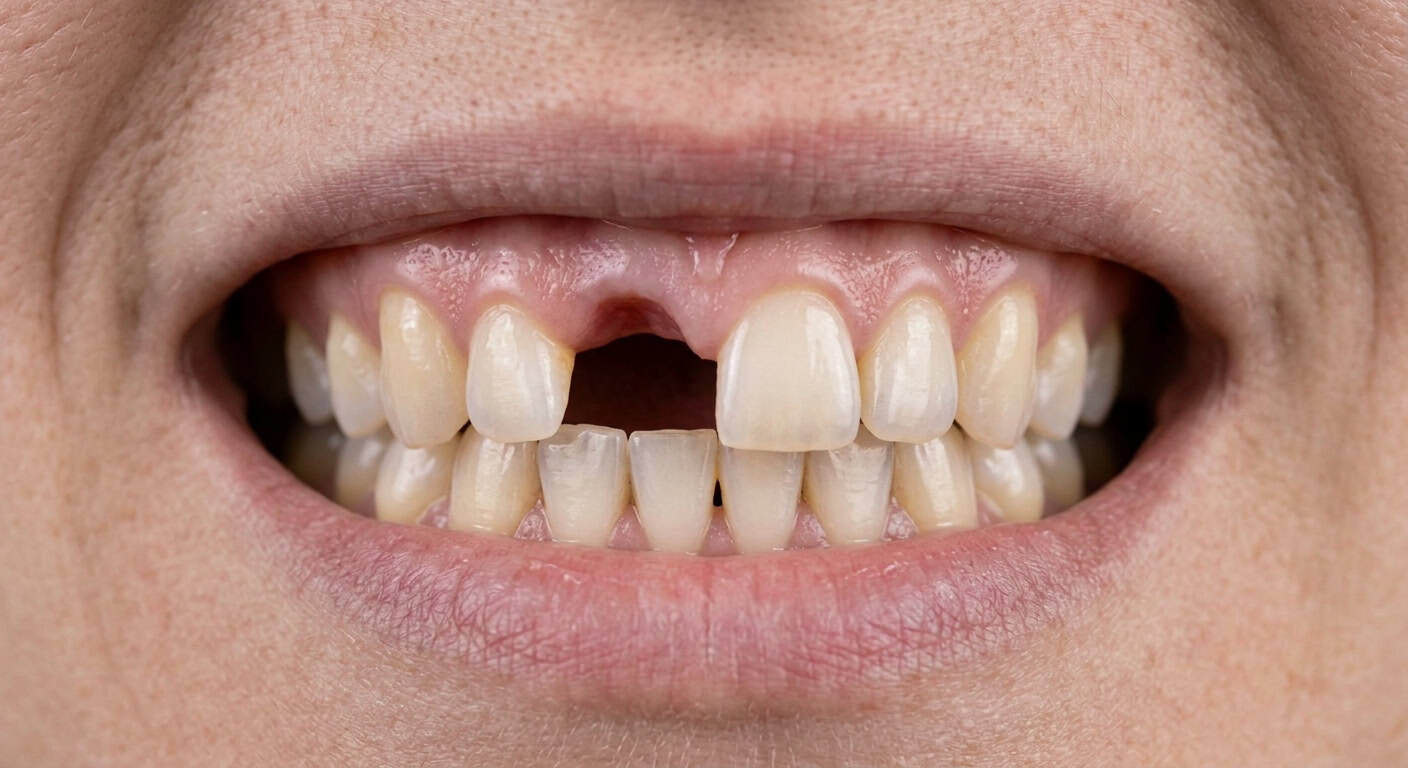
When a tooth is lost—whether due to injury, deep decay, or severe gum disease—it is easy to consider it primarily a cosmetic issue, especially if the gap is toward the back of the mouth. However, a missing tooth is far more than an aesthetic concern. Your teeth operate as a carefully balanced system, working together during chewing, speaking, and maintaining facial structure.
When even a single tooth is removed from that equation, a progressive chain reaction begins beneath the surface. Understanding the domino effect of tooth loss is essential for protecting your long-term oral health and overall physical well-being.
Tooth Loss by the Numbers: What the Data Shows
Tooth loss is a widespread health condition across the United States. Data from leading health organizations highlights the prevalence and risks associated with missing teeth:
-
178 Million Americans: According to the American College of Prosthodontists (ACP), an estimated 178 million adults in the United States are missing at least one tooth.
-
Severe Tooth Loss: Data from the Centers for Disease Control and Prevention (CDC) indicates that 26% of adults aged 65 and older have 8 or fewer teeth, severely restricting their ability to chew whole, nutritious foods.
-
Rapid Bone Resorption: Published research in the Journal of Dental Research shows that without tooth root stimulation, the underlying jawbone can lose up to 25% of its width in the first year alone following tooth loss.
1. The Domino Effect on Surrounding Teeth
Your teeth rely on adjacent and opposing partners to maintain their alignment. When a gap opens up, the surrounding structures begin to shift:
-
Drifting and Tilting: Neighboring teeth gradually tilt and drift into the open space. This movement creates new, hard-to-clean micro-gaps where food particles and plaque accumulate, significantly increasing your risk for tooth decay and gum disease.
-
Super-Eruption (Extrusion): The opposing tooth in the upper or lower jaw no longer has a biting surface to press against. Over time, it can begin to move out of its socket, exposing its delicate root structure and leading to temperature sensitivity and instability.
-
Bite Misalignment & TMJ Strain: As teeth shift out of position, your bite mechanics change. The jaw muscles must work harder to chew, placing excessive stress on the temporomandibular joint (TMJ) and frequently manifesting as chronic jaw popping, headaches, or facial pain.
2. Jawbone Resorption and Structural Aging
Natural tooth roots perform a critical job: every time you chew, force travels down the root to stimulate the surrounding jawbone, triggering continuous bone cell renewal.
When a root is removed, that vital stimulation stops instantly. The body senses the unused bone and begins to resorb (reabsorb) it. Over time, significant jawbone loss causes:
-
Collapsed Facial Aesthetics: As the underlying jaw volume degrades, the lower third of the face loses its internal scaffolding. Cheeks can cave inward, lips lose support, and deep wrinkles form around the mouth, leading to a prematurely aged appearance.
-
Risk to Adjacent Teeth: As bone deteriorates at the missing tooth site, it weakens the foundational support of adjacent, healthy teeth, making them prone to mobility and future loss.
3. Systemic Health and Quality of Life Impacts
The effects of unreplaced missing teeth extend well beyond the mouth:
-
Nutritional Deficiencies: Inability to chew dense, fibrous foods—such as lean meats, crisp vegetables, and fresh fruits—forces many people to shift toward softer, processed carbohydrates. Clinical studies show this shift can reduce nutrient absorption and exacerbate digestive issues.
-
Systemic Inflammation: Chronic gum infections surrounding shifting or loose teeth release bacteria and inflammatory markers into the bloodstream, which research links to heightened risks of cardiovascular disease and complications with diabetes management.
Modern Options for Replacing Missing Teeth at Sekhon Dental
At Sekhon Dental – Dentist Agoura Hills, Dr. Navjot Kaur Sekhon, DDS, FAGD, provides personalized, evidence-based restorative solutions designed to return comfort, strength, and confidence to your smile:
1. Dental Implants (The Gold Standard)
Dental implants are the only restoration option that replaces both the natural tooth root and the visible crown. A bio-compatible titanium post is surgically embedded into the jawbone, where it fuses with the natural tissue.
-
Primary Advantage: Restores full biting force and provides the necessary physical stimulation to stop jawbone loss completely.
-
Preservation: Does not require altering neighboring healthy teeth.
2. Custom Dental Bridges
A dental bridge uses the healthy natural teeth on either side of a gap as anchors to hold a custom-crafted artificial tooth in place.
-
Primary Advantage: Quickly restores visual symmetry, prevents neighboring teeth from drifting, and restores standard chewing functionality.
-
Consideration: Requires mild reshaping of adjacent anchor teeth and does not stimulate underlying bone growth.
3. Implant-Supported Dentures & Partial Dentures
For patients missing multiple teeth or an entire arch, modern removable partials or implant-retained dentures offer stable, full-arch restoration.
-
Primary Advantage: Significantly more stable than traditional removable dentures, reducing slipping while speaking or eating.
Frequently Asked Questions (FAQs) About Missing Teeth
Is it really necessary to replace a missing molar in the back of my mouth?
Yes. Even if a missing back tooth is hidden from sight, losing a molar removes critical chewing support and causes opposing and neighboring teeth to shift. It also triggers local jawbone resorption.
Am I a candidate for dental implants if I’ve been missing a tooth for years?
In most cases, yes! Even if some jawbone resorption has occurred, modern bone grafting techniques can rebuild lost bone volume to create a stable foundation for a dental implant.
Does dental insurance cover tooth replacement?
Many PPO dental insurance plans offer partial coverage for crowns, bridges, dentures, or implant procedures. Our team at Sekhon Dental works directly with your provider to maximize your benefits and minimize out-of-pocket costs.
Restore Your Smile and Protect Your Health in Agoura Hills
Replacing a missing tooth is not just about filling a gap—it is an investment in preserving your jawbone, keeping your surrounding teeth straight, and supporting your overall health.
With our strict zero double-booking policy, Dr. Navjot Kaur Sekhon, DDS, FAGD, provides 100% undivided attention during every consultation to design a tailored restoration plan for your goals.
Whether you have PPO dental insurance or take advantage of our in-house Sekhon Dental Membership Plan, keeping your smile complete and healthy has never been easier.
Protect your foundation before shifting teeth create complex issues.
📞 Call Sekhon Dental today at (818) 991-5004 to schedule your comprehensive restoration consultation, or visit our Agoura Hills office conveniently located on Reyes Adobe Road!
P.S. Have questions about whether a dental implant or bridge is right for you? Ask Dr. Sekhon during your visit for a personalized digital tour of your smile options!